
What does Level One include?
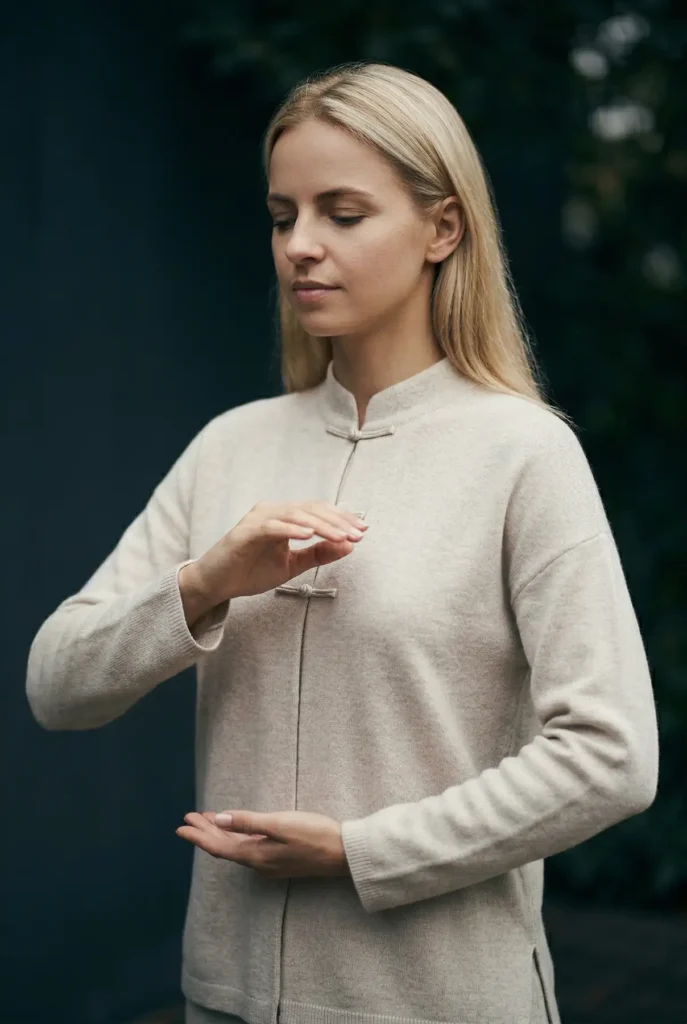
Zhong Yuan Qigong is taught step by step. Level One is the stage of relaxation: you learn to relax deeply, focus the mind and build energy through simple standing and seated exercises, practised with attention to posture, breath and a quiet mental image.
Exercises taught at Level One include:
- Opening the channels in fingers and toes
- Child Addressing the Teacher
- Big Tree standing practice
- Small Microcosmic Orbit
- Closing exercises
- Guidance for daily home practice
What is Zhong Yuan Qigong?
Why people start practising
Zhong Yuan Qigong is a Chinese system that trains body, breath and attention together. It belongs to a living lineage, taught internationally by Master Xu Mingtang. People usually start because of:
Dr. Satamgati began in 1998, while he was studying medicine, and has practised as a student of Master Xu Mingtang ever since. He teaches the method as he received it, and watches your posture and breath with a doctor’s eye.
What regular practice gives you
The rule from the Level One manual is simple: practise in a way you can repeat most days. Don’t chase sensations. Results build over weeks and months.
Deeper relaxation
You learn to release tension you did not notice before, in the shoulders, the jaw and the breath.
A quieter mind
Holding a light mental image trains attention, and scattered thoughts become fewer.
More vitality
Many practitioners describe more energy and steadier moods after a few weeks of daily practice.
Practice for life
The exercises need no equipment and can be done at home in about 30 minutes a day.
Signs you need to slow down
What people notice before they start
- “I breathe shallowly all day”
- “My neck and shoulders are always tight”
- “I can't switch off at night”
- “I'm tired, but I can't rest”
- “My attention jumps everywhere”
- “I get ill after every busy week”
- “I don't feel like moving”
- “I feel cut off from my body”
In their words
What changed for people like you
Frequently
Asked Questions
Questions we are often asked
Q1: Do I need any experience to start?
No. Level One is made for beginners. You only need loose clothing, a quiet space and the willingness to practise regularly.
Q2: How often should I practise?
Every day if you can. Big Tree can be practised for 30 minutes; people who want to go deeper practise for an hour or more. Regular short practice works better than rare long sessions.
Q3: What if I feel nothing at first?
That is normal. Keep practising with patience. Warmth, tingling or heaviness often appear with time; when they do, observe them without chasing them.
Q4: Is qigong suitable for everyone?
Most people can practise it. If you have epilepsy, a serious mental illness or severe heart disease, speak with Dr. Satamgati and your doctor before you begin.
Q5: Can I combine it with yoga, meditation or sport?
Yes. Qigong combines well with other practices and can deepen their effect.